

This post contains affiliate links. If you buy through them, we may earn a small commission at no extra cost to you.
“Put your shoes on” can feel like talking to a wall, then you repeat yourself and your voice rises. Many parents end up nagging, which stresses everyone out. Small changes in how we speak can make a big difference.
The good news is that you don’t need a new personality or a perfect, endlessly patient tone. A handful of simple communication habits can reduce the nagging, cut down on power struggles, and help your child feel heard. In this post we’ll look at why kids tune us out, seven changes to try, how they sound in real everyday situations, and what to do when they don’t work straight away.
Why kids tune us out
Children hear a lot of instructions every day. Commands, warnings, and lectures can feel like background noise. When kids feel unheard, they’re less likely to cooperate.
There are a few common reasons our words slide past them. Long explanations lose a young child by the second sentence. Questions that are really orders (“Would you like to put your shoes on?”) are confusing when the answer can only be yes. Repeating ourselves with rising volume teaches children that the first few requests don’t count. And children who are deep in play simply may not have registered that we spoke at all.
There’s also the emotional side. When a child is upset and we jump straight to instructions or reassurance (“It’s fine, stop crying”), they can feel dismissed, which often makes the feelings louder. Most of us do this out of love and a wish to fix things quickly. A small shift in what we say first can change how everything that follows is received.
7 simple changes to try
- Acknowledge feelings first. “You really don’t want to stop playing” shows you understand before you ask for something. You’re not agreeing that playtime should go on forever. You’re showing that their feelings make sense, which makes it easier for them to move on. Try it before any request your child is likely to resist.
- Describe the problem instead of blaming. “The towel is on the floor” works better than “Why are you so messy?” A plain description gives your child something to act on, without feeling attacked. Often they’ll solve it themselves, because there’s no one to argue with.
- Give information, not orders. “Dinner’s in ten minutes” lets a child plan, while “Stop playing now!” starts a fight. Information treats your child as someone who can make a sensible decision, and it keeps the focus on the situation rather than on who’s in charge.
- Use one word. “Shoes!” is quick and often more effective than a long speech. Many children respond well to a single word said with a smile. Think “Coat!”, “Teeth!”, or “Bath!” Keep your tone friendly rather than sharp.
- Offer a choice. “Do you want to brush teeth before or after your story?” gives them some power while the routine stays the same. Both options should be ones you’re happy with, and the thing that needs to happen should happen either way.
- Get down to their level. Crouch down, make eye contact, and say their name before you speak. A child who is absorbed in a game often hasn’t registered a request from across the room. A short, close, calm message is more likely to be heard than a call from the kitchen.
- Say it once, then follow through. Repeating a request over and over teaches children to wait for the fourth or fifth time. Instead, make the request clearly, give them a moment, and then follow through kindly, such as helping them to the door with their shoes in hand. Calm, consistent follow-through does more than extra words.
How it sounds in real life
It’s one thing to read a list and another to try it with a tired child at 7:45 on a school morning. Here are a few everyday examples of how a small change in wording can work.
- Getting out of the door. Instead of “Hurry up, we’re going to be late!”, try “I see one shoe on. The other shoe is by the door.” Or offer a race: “Can you get your coat on before I count to ten?”
- Bedtime. Instead of “Stop messing about and get into bed,” try “It’s pyjama time. Do you want to hop like a bunny or walk like a giant to the bathroom?” A bit of play often gets further than a firm tone.
- Screen time ending. Instead of switching it off mid-show, try “This episode finishes soon. When it’s over, the TV goes off and we’ll choose a book together.” Then acknowledge the feeling if it’s hard: “It’s tough to stop when it’s fun.”
- Sharing and squabbles. Instead of “Be nice!”, try describing what you see: “You both want the red truck. That’s a tricky one. What could we do?” Even young children can come up with ideas when we invite them to.
When it doesn’t work straight away
New habits take a bit of time, and children will test them. Some days you’ll remember to acknowledge feelings and the response will be a hug. On other days you’ll do everything “right” and still have a struggle. That’s normal. What counts is the overall pattern: children who feel listened to are generally more willing to listen in return, but not every time.
It also helps to choose a calm moment to try new approaches rather than the middle of a crisis. Practise with low-stress routines first, such as getting dressed or tidying up, so the words feel natural by the time you need them in harder moments. And if you slip back into nagging, which every parent does, just try again at the next opportunity.
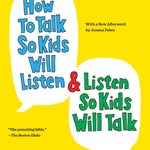
Our book pick: How to Talk So Kids Will Listen & Listen So Kids Will Talk
This parenting classic by Adele Faber and Elaine Mazlish is full of practical phrases and examples you can try the same day. It covers handling feelings, encouraging cooperation, and replacing nagging with approaches that build a child’s independence.
What many parents like about the book is its format. It’s laid out in short, practical chapters with cartoon-style examples of common situations, showing what not to say and what to try instead. It also includes exercises for you, so you can practise the ideas yourself. You can read it start to finish or flip to the chapter that matches whatever you’re struggling with this week.
Best for: parents of toddlers through teens who want clear, usable communication tools.
[Check the price of How to Talk So Kids Will Listen & Listen So Kids Will Talk on Amazon]
The takeaway
You don’t need to overhaul your whole parenting style. Try one change this week, such as acknowledging feelings first, and see how your child responds. When that starts to feel natural, add another. Over time, small shifts in how you speak can mean fewer battles, calmer routines, and a child who feels heard.