
This post contains affiliate links. If you buy through them, we may earn a small commission at no extra cost to you.
“I do it myself!” is a toddler’s favourite sentence. The Montessori approach is built around that urge, helping children do things for themselves in a calm, prepared environment. You don’t need a special classroom or expensive materials to try it at home.
Many parents find Montessori appealing but also intimidating. Social media is full of beautiful, minimalist playrooms and wooden shelves, and it’s easy to feel you’d need to buy a whole new set-up. The good news is that the heart of Montessori is simple: respect your child’s abilities, set up the space so they can take part, and give them time. This post explains the basics, six ways to start, room-by-room ideas, and answers to common worries.
What is the Montessori approach?
Montessori education, created by Dr. Maria Montessori, encourages children to learn through hands-on exploration at their own pace. At home, that means setting up your space and routines so your child can take part and do more for themselves.
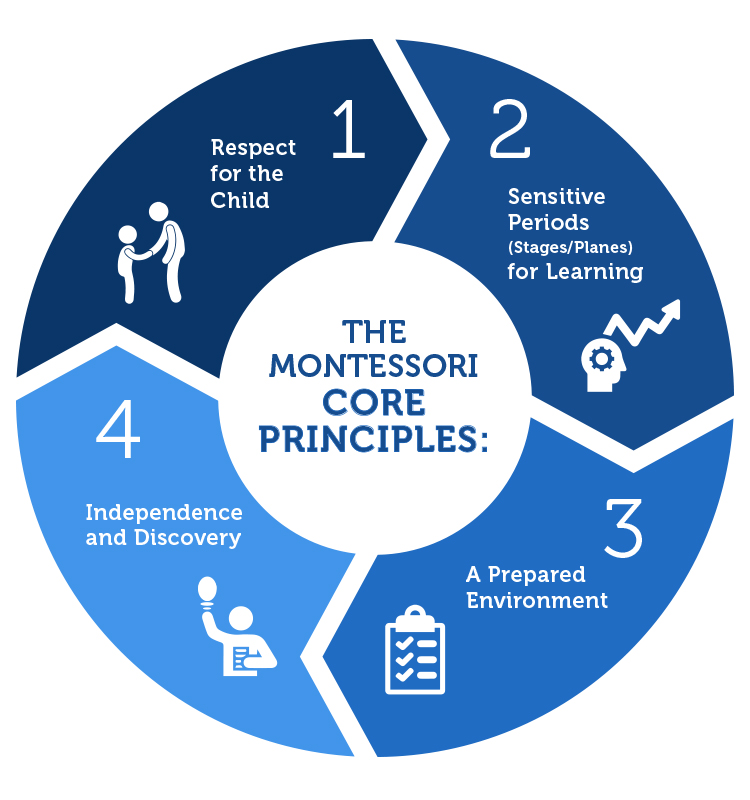
A few key ideas run through the approach. The first is the “prepared environment”, a space arranged so that children can reach what they need and move around safely. The second is respect for the child as a capable person, even when they’re very small. The third is freedom within limits: children choose from options you’ve set up, within clear and kind boundaries. Finally, there’s an emphasis on practical, real-life activities, such as pouring, wiping, and dressing, because children are often keen to join in with what the grown-ups are doing.
It’s also worth saying that you don’t have to follow Montessori “perfectly”, or commit to every idea. Many families borrow the bits that suit them and leave the rest. Taking a few ideas still counts.
6 simple ways to bring Montessori home
- Make things reachable. Put cups, plates, and a small stool where your child can access them. A low shelf in the kitchen with a few unbreakable cups and bowls, a low hook for their coat, and a step stool at the sink all send a message: “You can do this yourself.” Choose items that are safe if they get dropped.
- Create a child-sized space. A low shelf with a few toys displayed neatly is more inviting than a full toy box. Children can see their options and choose for themselves, and they can put things back where they belong. Keep it simple, with each toy or activity in its own basket or tray.
- Rotate toys. Keep a handful out and swap them every week or two to keep things fresh. Store the rest out of sight. When an old favourite returns after a break, it often gets a new burst of interest. Watch what your child is currently drawn to and adjust the selection.
- Involve them in daily life. Let your child help with age-appropriate tasks like wiping the table, watering plants, or putting socks in a basket. Toddlers can carry their plate to the sink, help tear lettuce, or wipe up spills with a small cloth. It takes longer than doing it yourself, but it builds skills and a sense of belonging.
- Slow down. Letting your child struggle with a zip for a minute teaches persistence. Build in extra time where you can, especially in the morning, so you aren’t tempted to step in. When they do need help, offer the smallest nudge possible, such as starting the zip and letting them finish.
- Choose hands-on toys. Open-ended, practical toys build focus and fine motor skills. Our guide to the [10 Best Montessori Busy Boards for Toddlers] (link to your post) is a good place to start.
Starter ideas, room by room
- Entryway. A low hook for coats and a small bench or stool for sitting to put on shoes. A basket for hats and gloves.
- Kitchen. A low drawer or shelf with a child’s own cup, plate, cutlery, and a small cloth. A step stool so they can help at the counter under supervision.
- Bedroom. A low bed or mattress on the floor where safe and suitable for your child’s age, a low shelf of books with covers facing out, and a few clothes they can choose from.
- Bathroom. A stool at the sink, a child-height towel hook, and a toothbrush they can reach.
- Living area. A small shelf or basket with a few toys and books, and a little space where your child’s things belong.
Safety always comes first. Check that anything within reach is suitable for your child’s age and stage, and supervise activities involving water, knives, or anything small enough to choke on.
Common worries about Montessori at home
- “It takes too long.” It does, at first. But children who practise small tasks often become quicker and more willing helpers over time. Choose a few routines where you can afford extra time, and don’t try to do it everywhere.
- “It’ll be messy.” Probably, yes. Spills and wobbles are part of learning. A small cloth within reach lets your child tidy up their own spills, which is a skill in itself.
- “I’d have to buy lots of special equipment.” You really don’t. Everyday items like small jugs, child-sized brooms, baskets, and trays can all do the job. Spend where it helps most, such as a sturdy stool, and keep the rest simple.
- “My child gets frustrated.” Some frustration is part of learning, but it shouldn’t be overwhelming. If an activity is too hard, make it simpler or put it away for a few weeks and try again.
Our book pick: How to Raise an Amazing Child the Montessori Way

Tim Seldin’s book is a practical introduction to Montessori ideas for parents, with guidance on setting up your home, encouraging independence, and supporting learning at each stage.
It’s a visual, easy-to-dip-into book with photographs and clear explanations, covering topics such as arranging your home, choosing activities, and encouraging good habits. Many parents like that it’s organised by stage, so you can focus on what’s relevant to your child right now rather than reading everything at once. If you’ve been curious about Montessori but unsure where to begin, it’s a friendly starting point.
Best for: parents of babies through early school age who are new to Montessori and want simple, doable ideas.
[Check the price of How to Raise an Amazing Child the Montessori Way on Amazon]
The takeaway
Start small. Pick one change this week, such as a low hook for your child’s coat, and watch their confidence grow. You don’t need a perfect home or a complete set of materials. You just need to make space for your child to try, to take a little longer, and to say, “I did it myself!”